

Occupants’ expectations are evolving rapidly. According to the 2025 QUALITEL Barometer, 86% of French people report having experienced at least one climate-related event in their home over the past ten years, while 75% believe these events have become more severe.
At the same time, rising energy costs are encouraging households to gain greater control over their energy consumption and explore self-consumption solutions.
Against this backdrop, smart home technologies are emerging as a powerful enabler of thermal comfort, energy efficiency, and optimized use of available resources.
For manufacturers, property developers, distributors, and energy providers, these changing needs create new opportunities to deliver value through comfort, energy performance, and self-consumption services.
Three Use Cases Illustrating This Transformation Reducing Overheating with Automated Solar Shading

When faced with increasingly frequent heatwaves, the most obvious response is often to increase cooling capacity. However, this approach leads to higher electricity consumption and conflicts with energy efficiency goals.
Motorized and connected solar shading solutions offer a more sustainable alternative. By automatically controlling roller shutters, blinds, or sunshades based on sunlight exposure and weather conditions, these systems can prevent excess heat from entering the building before indoor temperatures rise.
Solutions such as TaHoma® make it possible to create automated scenarios that anticipate heat peaks and adjust building behavior without requiring occupant intervention.
According to Somfy, automated solar shading can help reduce indoor temperatures by 4 to 7°C during periods of extreme heat.
The result is improved summer comfort, reduced reliance on air conditioning, and lower energy costs.
For developers and manufacturers, these use cases provide a practical response to growing demands for occupant comfort, building performance, and climate resilience.
Turning Energy Data into Actionable Insights
Better energy consumption starts with better visibility. Today, data collected from smart meters, electrical panel sensors, and connected home solutions provides a much more detailed understanding of how buildings consume energy.
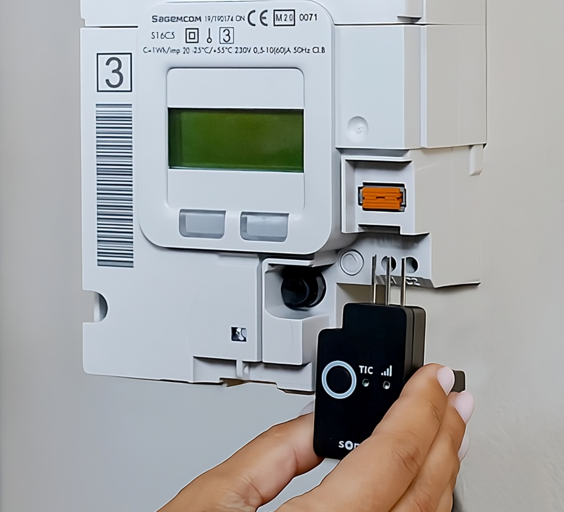
Connected to smart meters or electrical phase lines, sensors installed within electrical panels can deliver near real-time energy consumption data.
But the value extends far beyond visualization. These insights help identify energy-intensive appliances, detect anomalies, measure the impact of efficiency initiatives, and support automated optimization strategies.
For utilities and distributors, this level of visibility creates a solid foundation for developing new services focused on customer engagement, energy optimization, and overall building performance.
Maximizing the Value of Locally Generated Solar Energy
Local energy generation is growing rapidly, particularly with the expansion of residential photovoltaic installations.
However, generating electricity does not automatically guarantee its optimal use. The challenge is now to consume energy when it is available.
Smart home energy management solutions enable households to align energy usage with photovoltaic production, increasing self-consumption rates and reducing reliance on the grid.
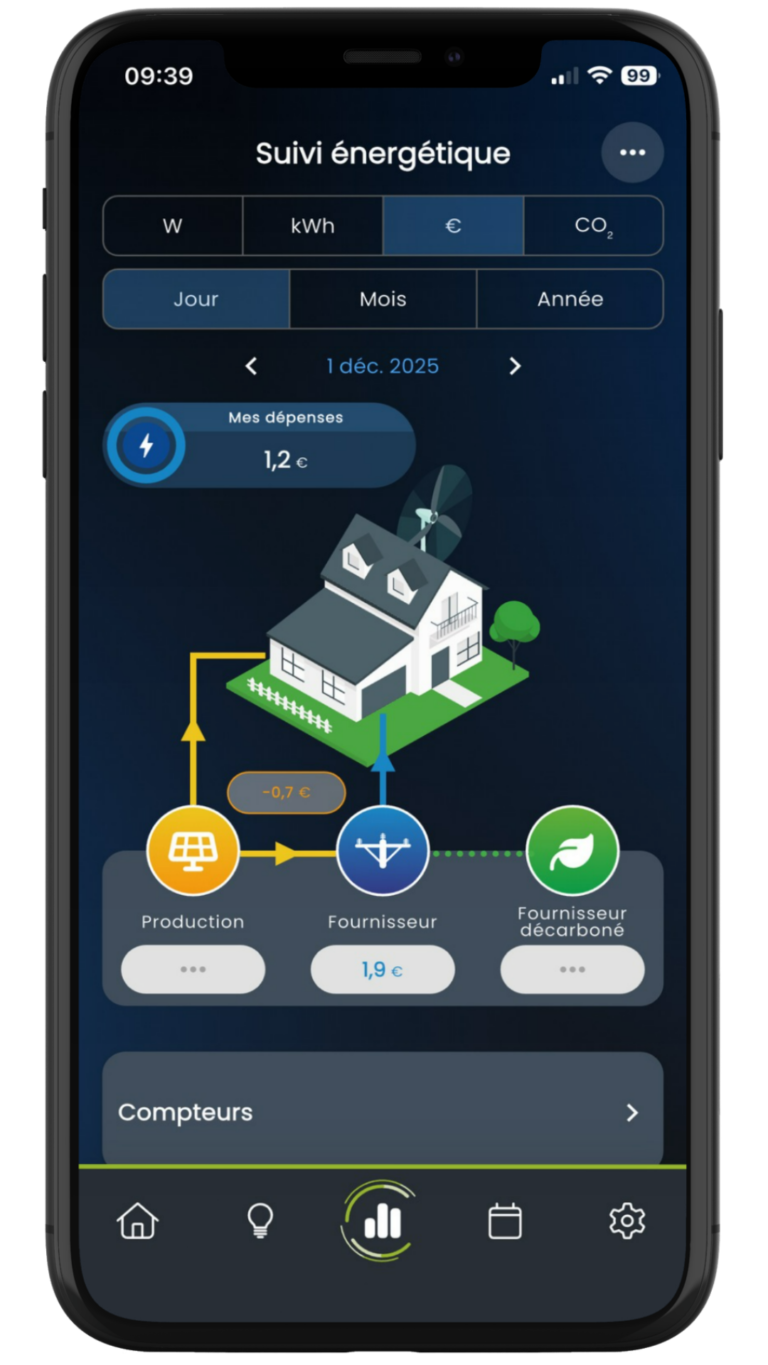
Solutions such as Rexel’s Energeasy connect illustrate this evolution by centralizing information from multiple home systems. Heating systems, water heaters, air conditioning units, heat pumps, and EV chargers can all operate in coordination to maximize the use of locally generated energy.
According to Rexel, combining photovoltaic production with intelligent energy management can reduce electricity bills by up to 70%.
Beyond cost savings, this approach improves the value of on-site energy production and strengthens the economic viability of solar installations.
Interoperability: The Foundation of These New Use Cases
All of these examples rely on one critical capability: interoperability.
Data can originate from multiple sources, including solar shading systems, energy monitoring devices, smart meters, photovoltaic installations, heating systems, and EV charging stations. The real value emerges when these systems can communicate and work together seamlessly.
This is precisely the role of interoperability platforms such as Overkiz, which connect products from different manufacturers and technology ecosystems within a unified environment.
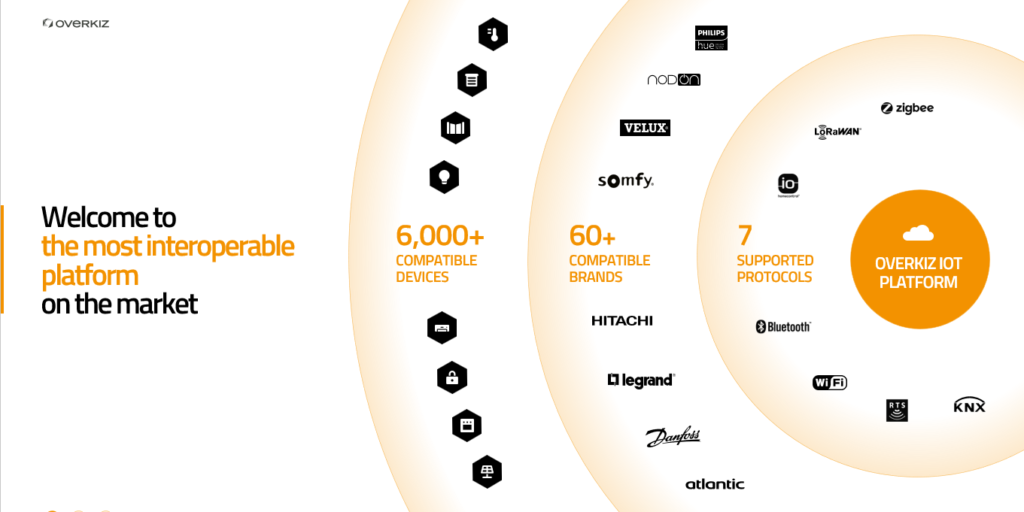
With more than 6,000 compatible devices and over 60 integrated brands, the Overkiz platform demonstrates how interoperability is becoming a key enabler of new services focused on comfort, energy efficiency, and self-consumption.
For manufacturers, the challenge is no longer limited to product performance alone. It now extends to ensuring that products can integrate seamlessly into connected ecosystems capable of generating new customer value.
This approach also accelerates the deployment of innovative services without requiring extensive custom developments or the creation of isolated, closed ecosystems.
Smart Homes as a Driver of the Energy Transition
Today, smart home technologies have become a practical tool for improving comfort, enhancing energy efficiency, and supporting climate adaptation.
Whether the goal is to reduce summer overheating, gain deeper insights into energy consumption, or optimize photovoltaic self-consumption, these emerging use cases share a common principle: enabling data and systems to work together within a connected ecosystem.
The organizations that successfully combine automation, data intelligence, and interoperability will be best positioned to support the energy transition of buildings and meet the evolving expectations of the market.
Comments (0)